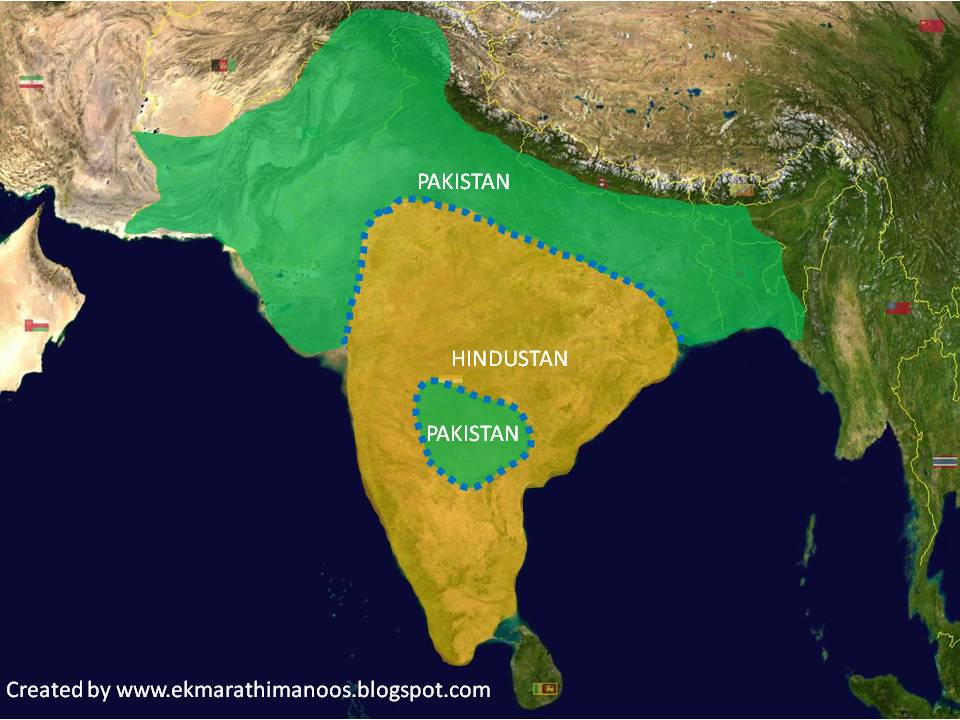
The beginning of stone sculpture in Pakistan goes back to a very remote age. The excavations carried out in 1924, at the ruins of Mohenjodaro on the Indus river and Harappa in the Punjab, brought to light a highly developed urban civilization, archaeologically known as the Indus Valley or Harappan Culture. It flourished from C.2500 B.C.E to 1500 B.C.E These ancient cities had a systematic lay-out, wide roads, spacious houses made of bricks, and an underground drainage system, somewhat like our own. People worshipped the Mother Goddess or Goddess of fertility. Trade and cultural contacts existed between these cities and those of Mesopotamia of which the evidence is the occurrence of the seals, as well as similar carnelian beads, knobbed pottery,and a lot more, at both places. Clay was the earliest medium in which man began to mould and we have discovered a large number of terracotta figurines from these Indus Valley sites. (information from http://ccrtindia.gov.in/induscivilisculp.htm )


                      Mohenjo-daro , is an archeological site situated in the province of Sindh, Pakistan. Built around 2600 BC, it was one of the largest settlements of the ancient Indus Valley Civilization, and one of the world's earliest major urban settlements, existing at the same time as the civilizations of ancient Egypt, Mesopotamia, and Crete. Mohenjo-daro was abandoned in the 19th century BC, and was not rediscovered until 1922. Significant excavation has since been conducted at the site of the city, which was designated a UNESCO World Heritage Site in 1980. Mohenjo-daro , is an archeological site situated in the province of Sindh, Pakistan. Built around 2600 BC, it was one of the largest settlements of the ancient Indus Valley Civilization, and one of the world's earliest major urban settlements, existing at the same time as the civilizations of ancient Egypt, Mesopotamia, and Crete. Mohenjo-daro was abandoned in the 19th century BC, and was not rediscovered until 1922. Significant excavation has since been conducted at the site of the city, which was designated a UNESCO World Heritage Site in 1980.